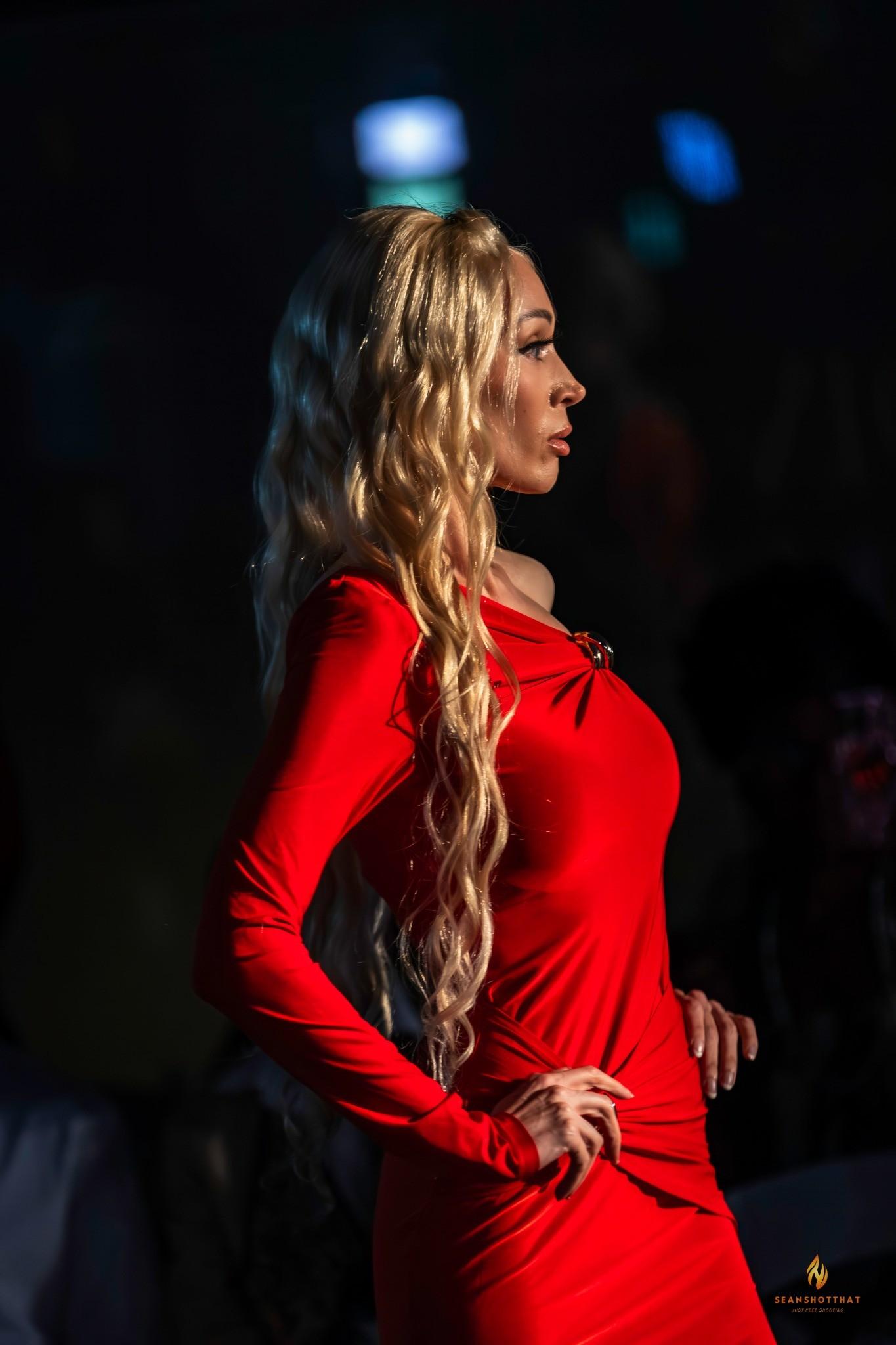
Light is the paintbrush of photography. You can have the best camera and the flyest outfit in the room, but if the light is trash, the image will never live up to its potential. Portraits live and die based on how the light shapes a face, carves out cheekbones, and reveals or hides texture.
Natural light is the first teacher. Golden hour gives you warm, cinematic tones with soft shadows that flatter almost everyone. But even midday sun can work if you know how to use shade, bounce light off bright surfaces, or turn your subject slightly so the light wraps instead of slaps.
In the studio, you get to play scientist. A single softbox can create clean beauty lighting, while a harder, directional source adds drama and edge. Split‑lighting, Rembrandt triangles, and butterfly lighting aren’t just fancy names – they’re different ways of sculpting a face to match the mood of the shoot.
Colored gels and RGB lights introduce a whole new language. Deep magentas, electric blues, or warm ambers can turn a simple pose into a full‑blown album cover. The trick is control; you still want catchlights in the eyes and shape in the shadows, not just random color everywhere.
For darker skin tones, intentional lighting is non‑negotiable. We want glow, not ashy highlights or muddy shadows. That means exposing for the subject, not the background, and using fill light or reflectors to keep detail in the skin without washing out the richness of the tone.
At the end of the day, great lighting isn’t about owning every light on the market – it’s about understanding the light you have and bending it to your will. When the light and the pose and the expression all lock in together, that’s when portraits stop feeling like pictures and start feeling like moments.